

Knowing how to tie a fishing hook is the single most important skill you can learn as an angler. It doesn't matter how expensive your rod is or how perfect your cast lands. If your knot fails, the fish wins. Period.
This guide covers the 6 essential knots every angler should know, when to use each one and how to tie them step by step.
Why Proper Hook Tying Matters
Here's a stat that might surprise you. Roughly 80% of lost fish come from knot failure, not broken line. Your line is almost always stronger than your knot. That means the weakest point in your entire setup is sitting right there at the hook eye.
A good knot retains 90-95% of your line's rated strength. A bad knot? Sometimes as low as 50%. That's cutting your line strength in half before you even make a cast.
Proper knots also save you money. Fewer lost hooks and lures add up fast, especially if you're throwing expensive swimbaits or custom jigs. And there's a confidence factor too. When you know your knot is solid, you can set the hook hard without hesitation. You fish better when you trust your gear.
If you're just getting started, check out our fishing tips for beginners for a full rundown of foundational skills.
Get Personalized Fishing Advice
Want real-time conditions for your exact location? Tackle provides live tide data, wind forecasts, and AI-powered fishing advice tailored to where you fish.
✓ Real-time tide charts • ✓ Wind & weather forecasts • ✓ AI fish identification
The 6 Essential Fishing Knots
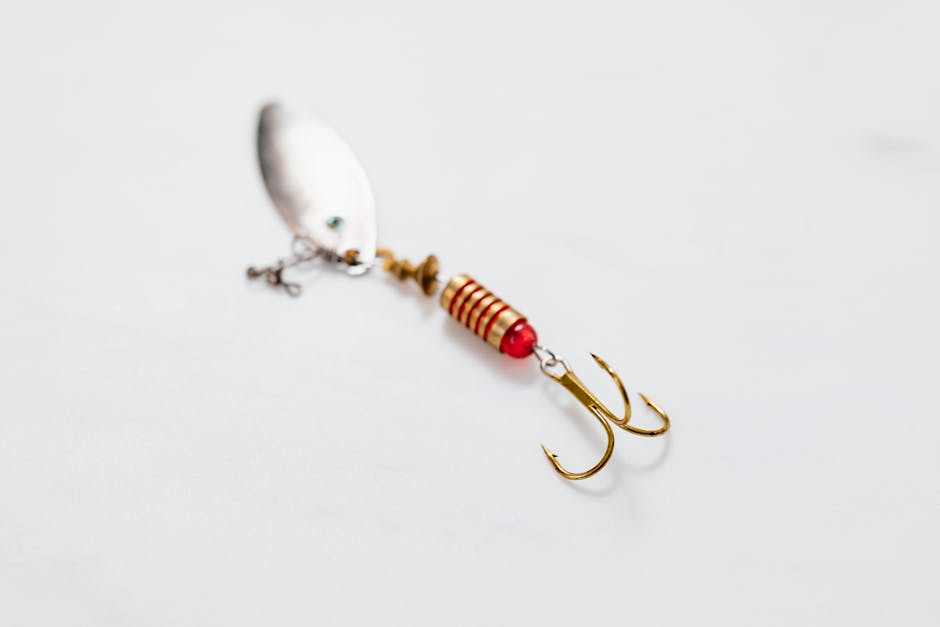
You don't need to learn 50 knots. You need to learn 6 and tie them well. Each one below has a specific strength. Master these and you're covered for any fishing situation.
1. Improved Clinch Knot (Best All-Around)
This is the knot most anglers learn first. It's simple, fast and works with monofilament and fluorocarbon up to about 20-pound test. It retains about 89-92% of line strength when tied correctly.
Best for: General purpose fishing, light to medium tackle, mono and fluoro lines
How to tie it:
- Thread 6 inches of line through the hook eye
- Wrap the tag end around the standing line 5-7 times (5 wraps for heavier line, 7 for light line)
- Pass the tag end through the small loop just above the hook eye
- Now pass the tag end through the big loop you just created
- Wet the knot with saliva or water
- Pull the standing line slowly to cinch the knot tight against the hook eye
- Trim the tag end to about 1/8 inch
Pro tip: More wraps are not better. Stick to 5-7. Too many wraps create bunching that actually weakens the knot.
2. Palomar Knot (Strongest Overall)
The Palomar is the strongest hook knot you can tie. It retains up to 95% of line strength and works especially well with braided line. Tournament anglers rely on this one heavily.
Best for: Braided line, heavy cover, any situation where max strength matters
How to tie it:
- Double about 6 inches of line to form a loop
- Push the loop through the hook eye (this can be tricky with small eyes)
- Tie a simple overhand knot with the doubled line, leaving the hook hanging below
- Pass the entire hook through the loop
- Wet and pull both the standing line and tag end to tighten
- Trim the tag end close
Pro tip: The doubled line through the hook eye is the hardest part. If the eye is too small, try the Improved Clinch instead. Don't force it.
3. Uni Knot (Most Versatile)
The Uni Knot is the Swiss army knife of fishing knots. You can use it to tie hooks, connect two lines together (double Uni) or attach line to a reel spool. Learn this one and you can handle almost any connection.
Best for: All line types, connecting leader to mainline, tying to hooks and swivels
How to tie it:
- Thread 6-8 inches of line through the hook eye
- Lay the tag end alongside the standing line, forming a loop
- Make 5-6 wraps through the loop, working away from the hook
- Wet the knot and pull the tag end to snug the wraps together
- Slide the knot down to the hook eye by pulling the standing line
- Trim the tag end
Pro tip: Use 5 wraps for braid, 6 wraps for mono and fluoro. Braid is thinner and needs fewer wraps to grip.
4. Loop Knot (Best for Lure Action)
Unlike other knots that cinch tight against the hook eye, the Loop Knot leaves a small loop. This gives your lure or fly more freedom to move naturally in the water. If you're using crankbaits or jerkbaits, this knot can make a real difference in action.
Best for: Lure fishing, jerkbaits, topwater plugs, flies, any presentation where lure movement matters
How to tie it:
- Tie a simple overhand knot in the line about 5 inches from the end (don't tighten)
- Thread the tag end through the hook eye
- Pass the tag end back through the overhand knot, entering from the same side it exited
- Make 3-5 wraps around the standing line above the overhand knot
- Pass the tag end back through the overhand knot one more time
- Wet and tighten by pulling the tag end first, then the standing line
- Trim the tag end
Pro tip: A bigger loop gives more action but slightly less strength. Keep the loop about the size of a dime for a good balance.
5. Snell Knot (Best for Circle Hooks)
The Snell Knot wraps directly around the hook shank instead of tying to the eye. This creates a straight pull along the shank, which dramatically improves hookup rates with circle hooks. If you fish live bait with circle hooks, learn this knot.
Best for: Circle hooks, live bait fishing, catfish rigs, bottom fishing
How to tie it:
- Thread the line through the hook eye and pull about 8 inches through
- Form a large loop below the hook shank
- Hold the loop against the shank with your thumb and forefinger
- Wrap the tag end around both the shank and the standing line 5-7 times, working from the eye toward the bend
- Hold the wraps in place and pull the standing line to tighten
- Wet and seat the knot firmly
- Trim the tag end
Pro tip: Keep your wraps neat and side by side. Overlapping wraps weaken the knot and can slip under pressure.
6. San Diego Jam Knot (Best for Fluorocarbon)
This knot was developed by long-range tuna fishermen in San Diego. It's incredibly strong with fluorocarbon line and handles heavy test weights better than the Improved Clinch. If you fish fluoro over 15-pound test, this should be your go-to.
Best for: Fluorocarbon line, heavy leaders, big game applications, any line over 15-pound test
How to tie it:
- Thread 10-12 inches of line through the hook eye
- Wrap the tag end around the standing line 5-7 times, working away from the hook
- Now thread the tag end back through the first wrap closest to the hook eye
- Pass the tag end through the loop between the wraps and the standing line
- Wet and pull the standing line to tighten
- Trim the tag end
Pro tip: This knot uses more line than others. Start with at least 10 inches of tag end so you don't run short during the wraps.
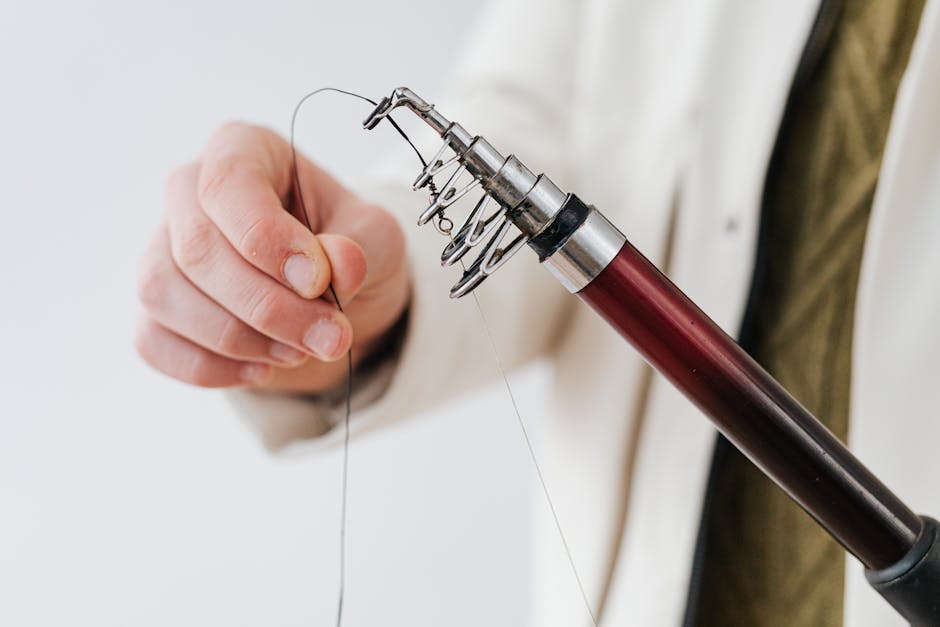
Which Knot for Which Line Type
Not every knot works equally well with every line type. Here's a quick breakdown.
Monofilament:
- Improved Clinch Knot (first choice)
- Uni Knot (great alternative)
- Palomar Knot (works well but can be bulky)
Fluorocarbon:
- San Diego Jam Knot (best choice for fluoro over 15 lb)
- Improved Clinch Knot (good for lighter fluoro)
- Uni Knot (solid all-around option)
Braided Line:
- Palomar Knot (first choice, hands down)
- Uni Knot (reliable backup)
- Avoid the Improved Clinch with braid. It tends to slip.
If you want to understand line types better, our guide on how to choose fishing line breaks down the pros and cons of each.
Which Knot for Which Situation
Beyond line type, the fishing situation matters too.
Live bait fishing: Snell Knot with circle hooks. The straight-shank pull sets the hook in the corner of the mouth almost every time. This is especially effective for catfish and saltwater bottom fishing.
Lure fishing: Loop Knot for lures that need action. Palomar or Improved Clinch for lures where a tight connection is fine, like spinnerbaits or soft plastics on a Texas rig.
Heavy cover: Palomar Knot every time. You need maximum strength when a fish runs into brush piles or oyster bars. Knot failure in heavy cover means losing both the fish and the lure.
Finesse fishing: Improved Clinch or Uni Knot with light fluoro. Keep the knot small and neat. Finesse presentations need subtle connections that don't affect lure action.
Offshore and big game: San Diego Jam Knot for heavy fluoro leaders. Palomar for braid mainline connections. When you're fighting fish measured in tens of pounds, knot strength is everything.
Want to find the best spots and conditions for your next trip? The Tackle app gives you real-time conditions, bite forecasts and local fishing reports so you can spend less time guessing and more time catching.
Pro Tips for Stronger Knots
These small habits make a big difference in knot strength.
Always wet your line. This is the number one tip. Wet the knot with saliva or dip it in the water before cinching it tight. Dry line creates friction heat that damages mono and fluoro. Wetting can improve knot strength by 15-20%.
Use a line conditioner. Products like KVD Line & Lure Conditioner reduce memory and friction. They help knots seat better and last longer. A small bottle lasts a full season.
Practice at home. Don't learn new knots on the water when fish are biting. Grab a hook (clip the point first for safety) and practice on your couch. Tie each knot 20 times until your hands do it automatically.
Test every knot. After you tie a knot, give it a firm steady pull before casting. If it slips or feels loose, cut it off and retie. Better to lose 6 inches of line than a trophy fish.
Use a knot tool for small hooks. Tiny hook eyes and cold fingers are a bad combo. A knot-tying tool helps thread line and hold small hooks steady. They cost about $5 and fit in any tackle box.
Retie frequently. Knots weaken over time, especially after catching fish or snagging structure. Retie after every fish or every 30-45 minutes of active fishing. If you want a deeper look at maintaining your gear, check out our guide on how to clean and store fishing gear.
Common Mistakes That Weaken Knots
Most knot failures come from the same handful of mistakes. Avoid these and your knots will hold.
- Rushing the process. The number one cause of bad knots. Take 30 extra seconds to tie it right. Especially in low light or cold weather when your fingers aren't cooperating.
- Not enough wraps. Skipping wraps to save time reduces grip. Stick to the recommended 5-7 wraps for each knot.
- Too many wraps. Going overboard causes bunching and makes the knot seat unevenly. More is not better.
- Not wetting the line. Dry cinching creates heat that weakens mono and fluoro. Always wet the knot.
- Cutting the tag end too short. Leave at least 1/8 inch of tag. Cutting flush against the knot can cause it to slip under heavy load.
- Leaving the tag end too long. A tag end longer than 1/4 inch can catch weeds and debris. It also looks sloppy and can spook fish in clear water.
- Using the wrong knot for the line type. An Improved Clinch on braid will slip. A bulky Palomar on light fluoro looks unnatural. Match the knot to the line.
- Not checking for line damage. Run the last 2 feet of line through your fingers before tying. If you feel nicks or rough spots, cut that section off and start fresh. Damaged line will break at the knot every time.
Frequently Asked Questions
Check our full guide on the best fishing knots for even more detail on knot selection and testing.
What is the strongest fishing knot?
The Palomar Knot is generally considered the strongest fishing knot. It retains up to 95% of the line's original strength. It works particularly well with braided line and is the best choice when maximum strength matters.
How do you tie a hook to braided line?
The Palomar Knot is the best option for braided line. It grips braid securely without slipping. Make sure the knot seats properly and trim the tag end close. Avoid the Improved Clinch with braid since it tends to slip.
What knot do professional fishermen use?
Professional fishermen switch knots depending on the situation. The Improved Clinch Knot is popular for general use. The Palomar is preferred when maximum strength matters. Many pros also use the Uni Knot for its versatility across different line types.
How tight should a fishing knot be?
A fishing knot should be tight enough that it won't slip but not so tight that it damages the line. After wetting the line, pull both ends firmly and evenly. The knot should seat smoothly without creating sharp bends or kinks.
Can you reuse fishing knots?
No. Always retie your hook after catching a fish, snagging on structure or every few hours of active fishing. Even well-tied knots weaken with use. A fresh knot takes 30 seconds and could save you a personal best.
Conclusion
Tying a fishing hook properly comes down to knowing a few good knots and practicing them until they become second nature. Start with the Improved Clinch Knot for general use and the Palomar for braid. Add the Uni, Loop, Snell and San Diego Jam as you grow.
Wet your line every time. Test every knot before you cast. Retie often. These simple habits will help you land more fish and lose fewer lures.
A few extra seconds at the knot is always worth it. Your next big catch depends on it.

Tackle Fishing Team
The Tackle Fishing Team is a collective of anglers, data scientists, and fishing enthusiasts dedicated to making fishing more accessible and successful for everyone.
View profileSources Consulted
The following sources were consulted in creating this guide:
- Fishing Knot Guide - Tackle Fishing Team – www.tackleapp.ai (retrieved Jan 2024)
Note: Information is summarized and explained in our own words. Always verify current regulations with official sources.
Frequently Asked Questions
What is the strongest fishing knot?
The Palomar Knot is generally considered the strongest fishing knot, maintaining up to 95% of the line's original strength. It's particularly effective with braided line and is recommended for situations where maximum strength is critical.
How do you tie a hook to braided line?
For braided line, the Palomar Knot is the best choice. It's specifically designed to work well with braid and maintains excellent strength. The key is to ensure the knot is properly seated and the tag end is trimmed close to the knot.
What knot do professional fishermen use?
Professional fishermen use different knots depending on the situation. The Improved Clinch Knot is popular for general use, while the Palomar Knot is preferred for maximum strength. Many pros also use the Uni Knot for its versatility across different line types.
How tight should a fishing knot be?
A fishing knot should be tight enough that it won't slip, but not so tight that it damages the line. After wetting the line, pull both ends firmly and evenly. The knot should seat properly without creating sharp bends or kinks in the line.
Can you reuse fishing knots?
It's not recommended to reuse fishing knots. Even the best knots weaken after use, especially after catching a fish or snagging. Always retie your hook after catching a fish, snagging on structure, or every few hours of fishing to ensure maximum strength and reliability.
Plan Your Next Fishing Trip
Download Tackle to compare tide charts, wind conditions, and practical fishing guidance for your location before you go.
✓ Real-time tide charts • ✓ Wind & weather forecasts • ✓ AI fish identification
See local regulations — Find regulations for your area
Want weekly fishing windows delivered to your inbox?
Get personalized fishing forecasts based on weather, tides, and moon phases.
RELATED CONTENT
KEEP READING