

Compare lure styles, colors, and retrieves commonly used for Florida snook around mangroves, bridges, and beaches.
Best for: Intermediate anglers targeting snook in Florida waters
What you need: Soft plastic jerkbaits, 7' medium-heavy rod, 20lb braid + 25lb leader
DO THIS FIRST: Tie on a 4" white DOA CAL jerkbait with a 1/8oz jig head. Cast parallel to mangrove edges during the last hour of incoming tide. Use a twitch-pause-twitch retrieve. Adjust lure choice based on current, water clarity, bait, and local rules.
Quick Answer: Top 3 Snook Lures
These options are common starting points in Florida:
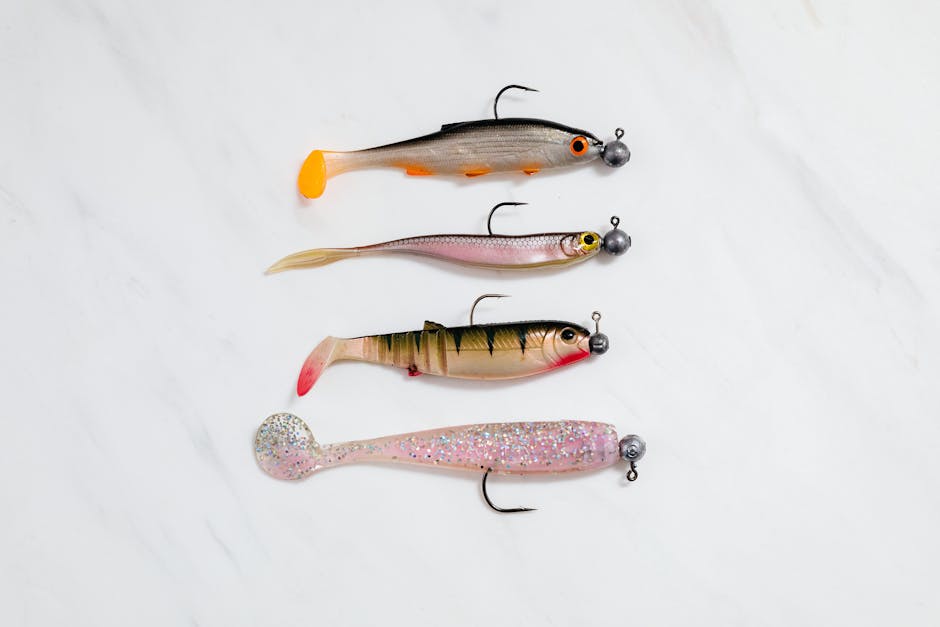
- Soft Plastic Jerkbaits (DOA CAL 4", Z-Man Jerkshad 5") - Fish mangrove edges, dock pilings, bridge shadows during dawn/dusk on moving tide. Twitch-pause-twitch retrieve in top 2-4 feet.
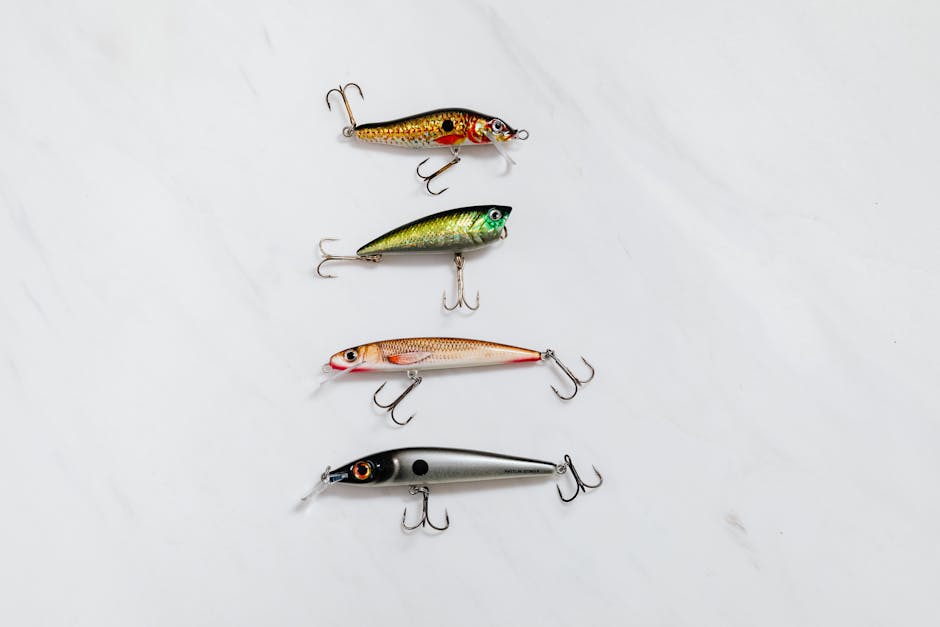
- Topwater Walk-the-Dog (Rapala Skitter Walk, Heddon Spook) - Early morning calm water over grass flats 2-6 feet deep. Steady cadence, pause on strikes. Best spring and fall.
- Bucktail Jigs (1/4-1/2oz white or chartreuse) - Bridge pilings, jetties, deep docks. Bounce along bottom on outgoing tide. Useful when bait is present.
Often favorable conditions: First/last 2 hours of moving tide, dawn or dusk, water temp 70-85°F.
Get Personalized Fishing Advice
Want real-time conditions for your exact location? Tackle provides live tide data, wind forecasts, and AI-powered fishing advice tailored to where you fish.
✓ Real-time tide charts • ✓ Wind & weather forecasts • ✓ AI fish identification
Tackle Box Snapshot (Copy This Setup)
Lure Options (Pick 3-5):
- DOA CAL Jerkbait 4" (white, pearl, glow)
- Z-Man Scented Jerkshad 5" (opening night, nuked chicken)
- Rapala Skitter Walk 3.5" (bone, mullet)
- SPRO Bucktail Jig 1/4oz-1/2oz (white, chartreuse)
- MirrOlure MR-17MR (gold/black back, silver/blue back)
Jig Head Weights:
- Shallow (0-3ft): 1/8oz
- Medium (3-6ft): 1/4oz
- Deep (6ft+): 3/8-1/2oz
Line Setup:
- Main: 15-20lb braid (PowerPro or Suffix 832)
- Leader: 25-30lb fluorocarbon, 24-30" length
- Connection: Double uni knot or FG knot
Retrieve Pattern:
- Jerkbaits: Twitch-pause-twitch (2 twitches, 1-2 second pause)
- Topwater: Steady walk-the-dog, pause 3 seconds after strikes
- Jigs: Slow bounce, feel structure, pause on contact
Target Depth: 0-6 feet (snook ambush from bottom, strike up) This tackle setup covers all snook scenarios—soft plastics for mangroves, topwater for flats, and jigs for bridges and passes.
Step-by-Step: How to Fish Snook Lures
1. Where to Start (Structure + Position)
Snook are ambush predators that stage near structure in current. Look for:
- Mangrove edges with 2-6 feet of water and undercut roots
- Bridge pilings on the downcurrent side where bait sweeps through
- Dock pilings in 4-8 feet with shadow lines
- Oyster bars with 1-3 feet on the edges during moving tide
Position yourself 30-50 feet from structure. Approach quietly—snook spook easily in shallow water.
2. First Casts (Angle + Distance)
Cast parallel to structure, not directly at it:
- Mangroves: Cast 6-12 inches from the edge, retrieve parallel
- Bridges: Cast upcurrent, let current sweep lure to piling
- Docks: Target shadow lines and corner pilings first
Distance: 20-40 feet for accuracy. Snook strike within 2-3 feet of structure.
3. Retrieve Cadence (What to Feel For)
Jerkbaits:
- Two sharp twitches with rod tip (creates erratic darting)
- Pause 1-2 seconds (this is when strikes happen)
- Keep rod tip low, feel for weight or tap
- Reel slack only, don't drag—let the lure "swim" on pauses
Topwater:
- Steady side-to-side cadence (walk-the-dog)
- Don't set hook on explosion—wait for weight
- If they miss, pause 3 seconds, continue retrieve
Jigs:
- Slow lift-fall near bottom
- Feel oysters, rocks, structure
- Most strikes happen on the fall
4. Hookset and Landing
Hookset:
- Feel weight, then sweep rod hard to the side (not up)
- Snook have hard mouths—need solid hookset
- Keep pressure constant after hookset
Landing:
- Snook will run to structure immediately—apply side pressure
- Keep rod tip up, reel when fish moves toward you
- First run is hardest—25-30lb leader handles abrasion
- Lip grip or wet hands for photos—support body weight
5. What to Change After 10-15 Minutes
No bites after 10-15 casts? Adjust:
- Change depth: Move jig head up/down one size
- Change color: Switch from natural to chartreuse/glow
- Change retrieve speed: Slow down by 30-50%
- Move 20-30 feet: Snook hold in specific pockets
- Change lure type: If jerkbait fails, try topwater or jig
Don't abandon structure too quickly—snook feed in windows. Cast parallel to structure, not directly at it—this keeps your lure in the strike zone longer and prevents spooking fish.
Decision Tree: Adjust for Conditions
If water is clear (5+ feet visibility):
- Use natural colors: white, pearl, silver, clear
- Slower retrieve with longer pauses
- Cast from farther distance (40+ feet)
- Use lighter jig heads (1/8-1/4oz)
If water is stained (1-3 feet visibility):
- Use bright colors: chartreuse, pink, gold, glow
- Faster, more aggressive retrieve
- Add rattle jig heads
- Upsize to 5" jerkbaits for more profile
If windy (10+ mph):
- Skip topwater, use jerkbaits or jigs
- Target wind-protected shorelines (lee side)
- Focus on deeper structure (4-8 feet)
- Use heavier jig heads (3/8-1/2oz) for casting
If cold front / pressure drop:
- Slow down retrieve by 50%
- Downsize to 3-4" lures
- Fish deeper holes and channels (6-10 feet)
- Focus midday when water warms slightly
- Use natural colors, subtle action
If bait is present (pilchards, mullet schools):
- Match the bait size exactly
- Use silver/white colors
- Work lure through or under bait schools
- Snook stage below and behind bait
If no bait visible:
- Use darker colors (root beer, purple, black)
- Focus on structure ambush points
- Slower, bottom-oriented presentations
- Bucktail jigs outperform when bait is scarce
Spot Playbook: Where Snook Stage
Best Structure Types
Mangroves (Top Producer):
- Snook hold in shade under overhanging branches
- Look for undercut roots, fallen trees, pockets
- Best on incoming tide (bait pushed into mangroves)
- Target water 2-6 feet deep
Bridge Pilings:
- Snook face current on downcurrent side
- Stage in shadow lines during bright sun
- Feed in current seams where slow meets fast water
- Best on outgoing tide when bait gets swept out
Docks and Seawalls:
- Snook use pilings as ambush points
- Look for deeper docks (6-10 feet) with barnacles
- Corner pilings and boat lifts are hotspots
- Night fishing under dock lights is deadly
Oyster Bars:
- Snook cruise edges on moving tide
- 1-3 feet of water over the bar
- 3-6 feet in troughs and channels
- Best during low-light (dawn/dusk)
Where Fish Stage (Strike Zone)
- Edges, not middle: Snook hug transitions (mangrove edge, piling side, channel drop-off)
- Current seams: Where fast water meets slow—bait gets disoriented
- Shadow lines: Bright sun pushes snook to shade (under docks, bridges, trees)
- Drop-offs: Any 2-foot depth change creates ambush point
Approach (Quiet Feet, Distance, Angle)
Stealth is critical:
- Approach from upcurrent if possible
- Stay 30-50 feet from structure
- Quiet footsteps on dock/boat (snook hear vibration)
- Avoid bright clothing in clear, shallow water
- First cast counts—after spooking, they shut down for 20+ minutes
Best angles:
- Cast parallel to structure (not perpendicular)
- Work lure past ambush point, don't pull it away early
- Mangroves: 6-12 inches from edge
- Bridges: Cast upcurrent, drift lure to piling Target mangrove edges with 2-6 feet of water, undercut roots, and shade during incoming tide—prime snook ambush habitat. Notice the hook placement in the corner of the mouth—proper technique and sharp hooks are essential for landing snook consistently.
Mistakes That Kill the Bite
- Too fast retrieve: Snook want slow-medium pace with pauses—fast retrieves get ignored
- Wrong depth: Fishing surface when snook are on bottom (or vice versa)—match the zone
- Noisy approach: Stomping on dock, dragging anchor, loud talking—snook hear everything
- Working lure too much: Over-twitching jerkbaits—subtle action wins, especially in clear water
- Wrong angle to current: Casting into current instead of with it—bait doesn't swim upstream
- Not pausing long enough: 1 second isn't enough—2-3 second pauses trigger strikes
- Changing spots too quickly: Moving after 5 casts—give each spot 15-20 casts minimum
- Setting hook on topwater explosion: Reacting to splash instead of feeling weight—snook miss often
- Fishing wrong tide stage: Targeting slack tide when snook need moving water to feed
- Using dull hooks: Snook have hard mouths—check hook points every 10 casts
- Leader too short: 12-18" leaders get bit off on structure—use 24-30" minimum
- Ignoring shadow lines: Fishing bright sun areas when snook are in shade 10 feet away
Frequently Asked Questions
What is the best lure for snook in Florida?
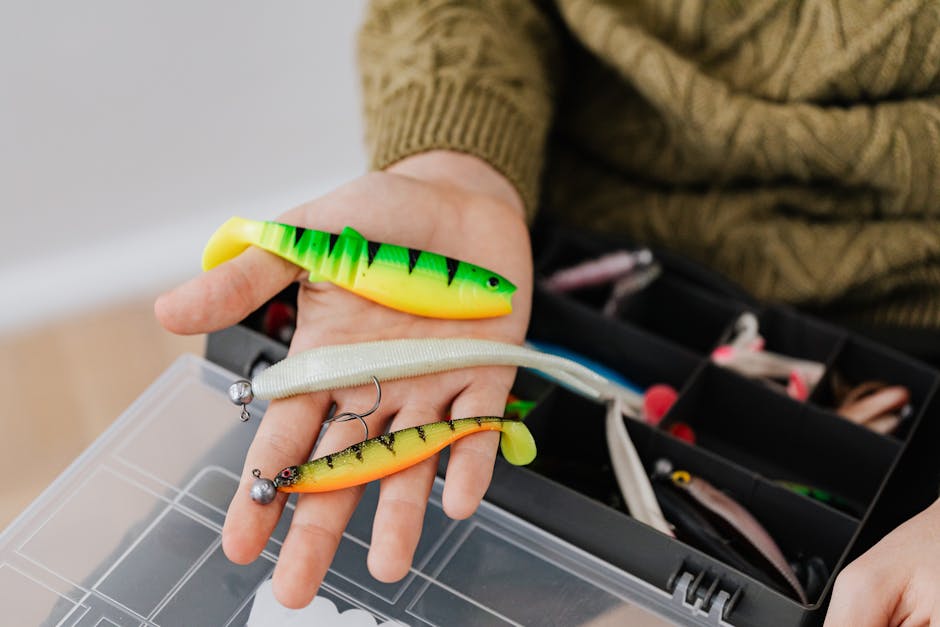
Soft plastic jerkbaits are a common starting point for Florida snook. A DOA CAL Jerkbait (4") in white or pearl on a 1/8-1/4oz jig head is often used around mangroves, docks, and bridges. Fish it with a twitch-pause-twitch retrieve near structure during moving tides.
What color lures work best for snook?
In clear water, use natural colors (white, pearl, silver). In stained water, use bright colors (chartreuse, pink, gold, glow). For night fishing, black, purple, or glow-in-the-dark work best. Match local baitfish when possible—white imitates pilchards, silver imitates mullet.
When is the best time to fish for snook in Florida?
Dawn and dusk during the first or last 2 hours of a moving tide (incoming or outgoing). Spring (March-May) and fall (September-November) offer the best fishing. Snook feed aggressively before and after the spawning season. Avoid slack tide—snook need current to ambush bait.
What size lures should I use for snook?
Use 4-5" soft plastics for average snook (18-30"). For slot-size snook (28-32"), use 4-5" lures. For trophy snook (35"+ or 15+ lbs), use 6-8" swimbaits in deep passes and channels. Downsize to 3" in cold water or after cold fronts when fish are lethargic.
Can I use topwater lures for snook?
Yes, topwater is one of the most exciting ways to catch snook. Use walk-the-dog lures (Rapala Skitter Walk, Heddon Spook) in early morning calm water over grass flats 2-6 feet deep. Key: Don't set hook on the explosion—wait to feel weight. Snook often miss on first strike.
What pound test leader for snook?
Use 25-30lb fluorocarbon leader, 24-30" long. Snook have abrasive gill plates and run to structure (oysters, barnacles, mangrove roots). Lighter leaders get cut. Heavier leaders (40lb+) reduce bites in clear water. Double uni or FG knot for braid-to-leader connection.
Do snook bite at night?
Yes, snook are aggressive night feeders, especially under dock lights and bridge lights where bait congregates. Use darker lures (black, purple) or glow colors. Jerkbaits and topwater both work. Night snook are less spooky—approach closer, but still use stealth.
What tide is best for snook fishing?
Moving tides (incoming or outgoing) are essential. The first and last 2 hours of a tide change are prime. Snook use current to ambush bait—slack tide produces few bites. Incoming pushes bait into mangroves. Outgoing sweeps bait out of bays through passes and bridges.
1-Minute Action Plan
Ready to catch snook tomorrow? Here's your checklist:
Rig to tie on:
- 4" white DOA CAL jerkbait on 1/4oz jig head
- 15-20lb braid main line + 25lb fluorocarbon leader (24-30")
2 places to try first:
- Mangrove shoreline with 2-6 feet of water, incoming tide (last 2 hours)
- Bridge pilings with current, outgoing tide (first 2 hours)
First retrieve cadence:
- Twitch-twitch-pause (2 twitches, 2-second pause)
- Keep lure in top 2-4 feet near structure
- Cast parallel to edges, not into them
One adjustment if no bites:
- Switch to chartreuse jerkbait if water is stained
- OR move to shadow line/structure 20-30 feet away
Next Steps: Keep Learning
Now that you know the best lures, here's what to explore next:
- If you're fishing mangroves next: Read our complete mangrove snook techniques guide
- If you need the right rod setup: Best inshore rods for Florida snook fishing
- If you want to learn knots for leaders: Essential fishing knots for saltwater
- If you're targeting redfish too: Best lures for redfish in Florida flats
Always Check Current Regulations
Snook regulations in Florida include size limits, bag limits, and seasonal closures that vary by region. Always check current regulations with the Florida Fish and Wildlife Conservation Commission (FWC) before fishing.
See current FWC snook regulations →
Regulations are subject to change. Tackle is not responsible for regulatory information—always consult official government sources.

Tackle Fishing Team
The Tackle Fishing Team is a collective of anglers, data scientists, and fishing enthusiasts dedicated to making fishing more accessible and successful for everyone.
View profileSources Consulted
The following sources were consulted in creating this guide:
- Florida Fish and Wildlife Conservation Commission – myfwc.com (retrieved Jan 2026)
- Snook Foundation Research – snookfoundation.org (retrieved Jan 2026)
Note: Information is summarized and explained in our own words. Always verify current regulations with official sources.
Frequently Asked Questions
What is the best lure for snook in Florida?
Soft plastic jerkbaits are a common starting point for Florida snook. A DOA CAL Jerkbait (4") in white or pearl on a 1/8-1/4oz jig head is often used around mangroves, docks, and bridges. Fish it with a twitch-pause-twitch retrieve near structure during moving tides.
What color lures work best for snook?
In clear water, use natural colors (white, pearl, silver). In stained water, use bright colors (chartreuse, pink, gold, glow). For night fishing, black, purple, or glow-in-the-dark work best. Match local baitfish when possible—white imitates pilchards, silver imitates mullet.
When is the best time to fish for snook in Florida?
Dawn and dusk during the first or last 2 hours of a moving tide (incoming or outgoing). Spring (March-May) and fall (September-November) offer the best fishing. Snook feed aggressively before and after the spawning season. Avoid slack tide—snook need current to ambush bait.
What size lures should I use for snook?
Use 4-5" soft plastics for average snook (18-30"). For slot-size snook (28-32"), use 4-5" lures. For trophy snook (35"+ or 15+ lbs), use 6-8" swimbaits in deep passes and channels. Downsize to 3" in cold water or after cold fronts when fish are lethargic.
Can I use topwater lures for snook?
Yes, topwater is one of the most exciting ways to catch snook. Use walk-the-dog lures (Rapala Skitter Walk, Heddon Spook) in early morning calm water over grass flats 2-6 feet deep. Key: Don't set hook on the explosion—wait to feel weight. Snook often miss on first strike.
What pound test leader for snook?
Use 25-30lb fluorocarbon leader, 24-30" long. Snook have abrasive gill plates and run to structure (oysters, barnacles, mangrove roots). Lighter leaders get cut. Heavier leaders (40lb+) reduce bites in clear water. Double uni or FG knot for braid-to-leader connection.
Do snook bite at night?
Yes, snook are aggressive night feeders, especially under dock lights and bridge lights where bait congregates. Use darker lures (black, purple) or glow colors. Jerkbaits and topwater both work. Night snook are less spooky—approach closer, but still use stealth.
What tide is best for snook fishing?
Moving tides (incoming or outgoing) are essential. The first and last 2 hours of a tide change are prime. Snook use current to ambush bait—slack tide produces few bites. Incoming pushes bait into mangroves. Outgoing sweeps bait out of bays through passes and bridges.
Plan Your Next Fishing Trip
Download Tackle to compare tide charts, wind conditions, and practical fishing guidance for your location before you go.
✓ Real-time tide charts • ✓ Wind & weather forecasts • ✓ AI fish identification
See local regulations — Find regulations for your area
Want weekly fishing windows delivered to your inbox?
Get personalized fishing forecasts based on weather, tides, and moon phases.
RELATED CONTENT
KEEP READING